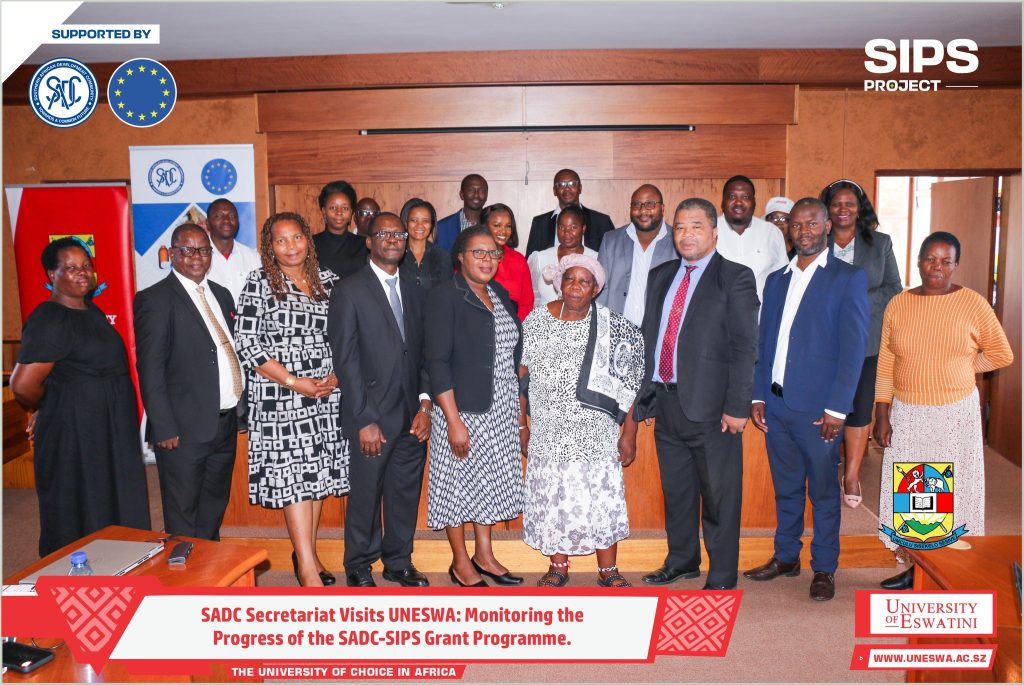
SADC Secretariat Visits UNESWA: Monitoring the Progress of the SADC-SIPS Grant Programme.
KWALUSENI – In a significant two-day visit on the 7th and 8th March 2024, the Secretariat of the Southern African Development Community (SADC) arrived at the University of Eswatini (UNESWA) to monitor the progress of the SADC-SIPS (Support to Industrialization and Productive Sectors) grant programme.
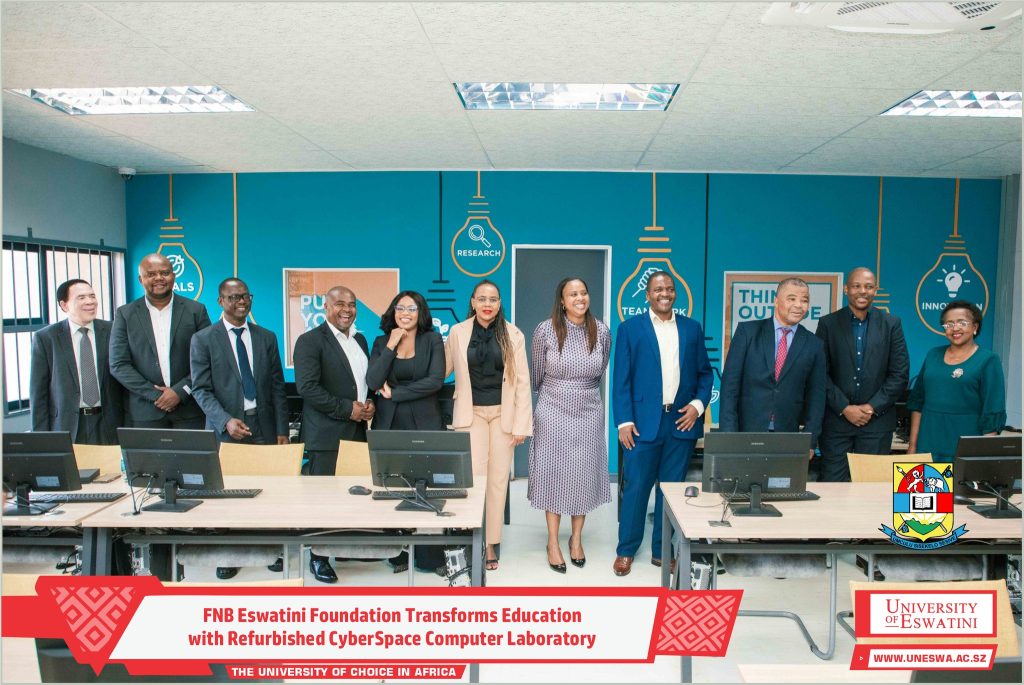
The First National Bank Eswatini Foundation presents the Refurbished FNB CyberSpace Computer Laboratory to UNESWA worth close to 1.4 million
KWALUSENI- On Thursday 01 February 2024, The First National Bank Eswatini Foundation presented the refurbished FNB CyberSpace Computer Laboratory to the University Management at a function held in the Kwaluseni Campus, New Wing, Refectory.
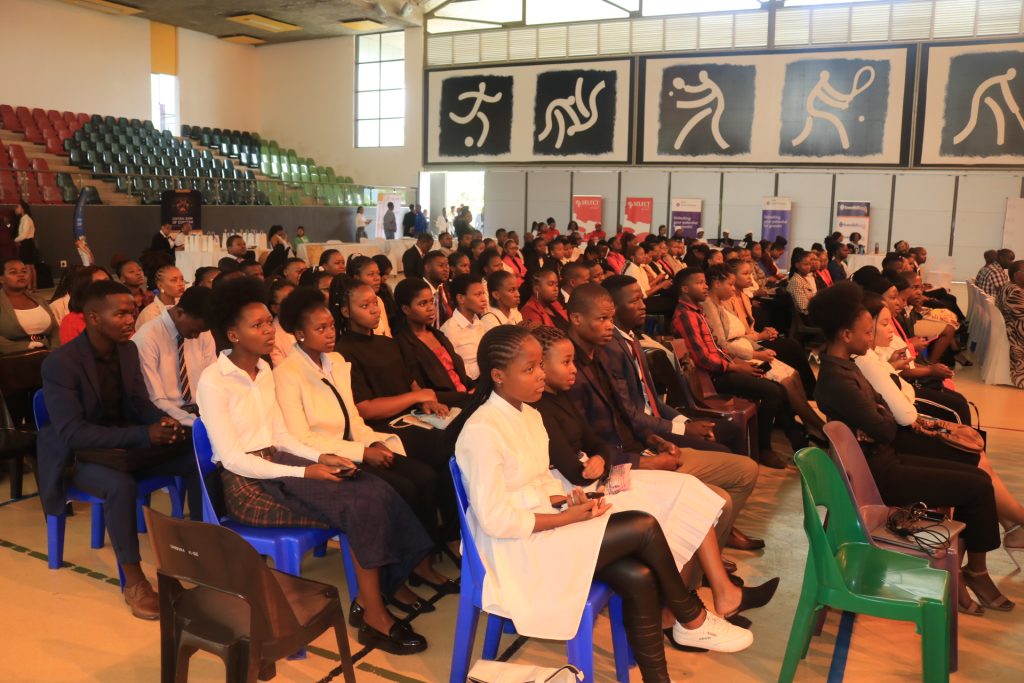
The Commerce Society hosts the 10th Commerce Indaba
KWALUSENI –The Commerce Society, a Society for all Faculty of Commerce students held the 10th Commerce Indaba at the Sport Emporuim, Kwaluseni Campus on Friday, 19 January 2024.
Enroll in the Certificate In Online Teaching For Educators offered by the Institute of Distance Education
The Institute of Distance Education provides educational and training opportunities for individuals who are unable to undertake conventional university programmes and courses.